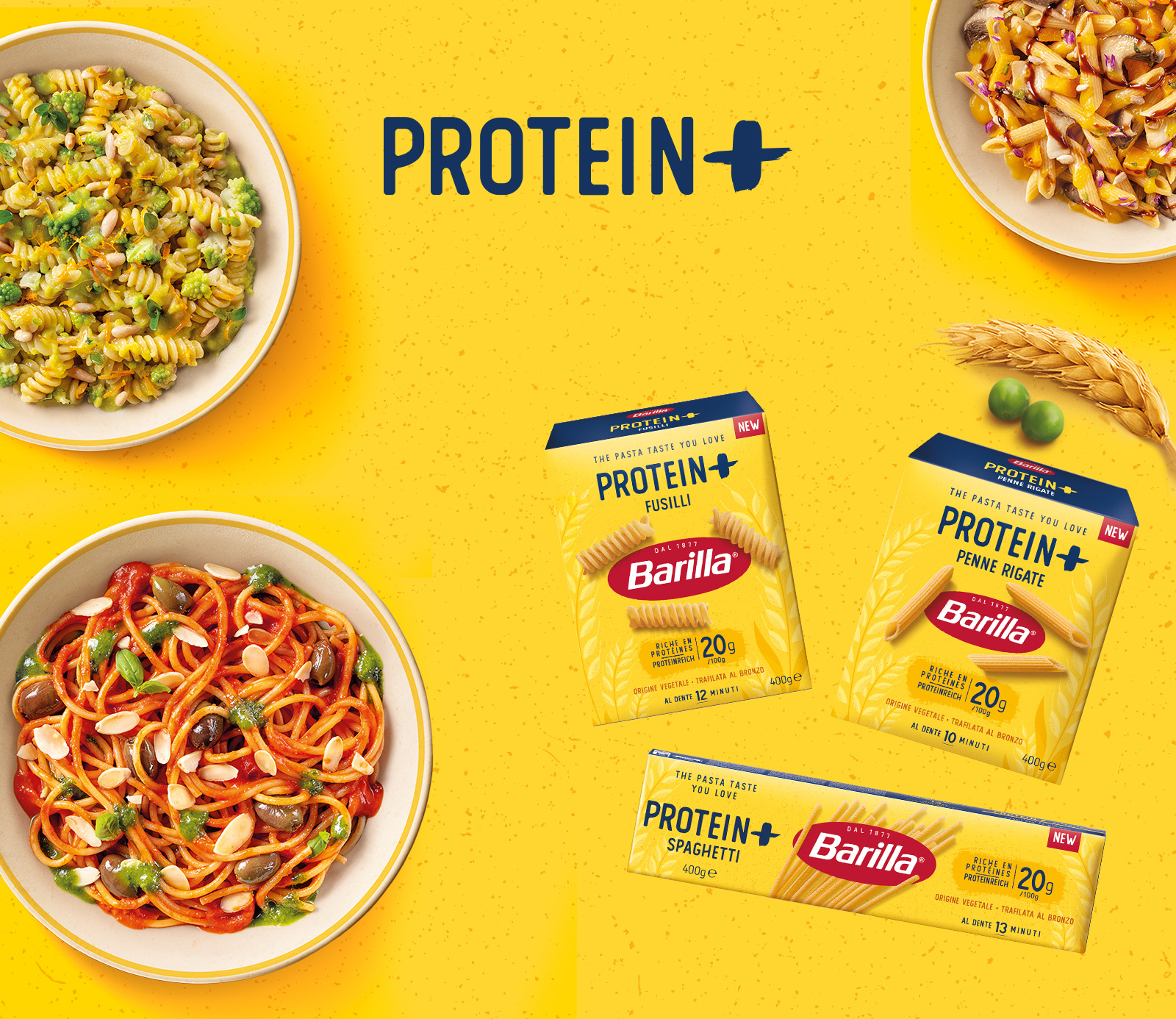
Protein +
Find out moreBarilla
Since 1877
Learn more about our missionPassive Cooking
Discover Passive CookingSecond Life Pasta
Second Life PastaOpen Recipes
Open RecipesProtein +
Since 1877
Passive Cooking
Second Life Pasta
Open Recipes
Protein +
Find out moreBarilla
Since 1877
Learn more about our missionPassive Cooking
Discover Passive CookingSecond Life Pasta
Second Life PastaOpen Recipes
Open RecipesLatest campaigns
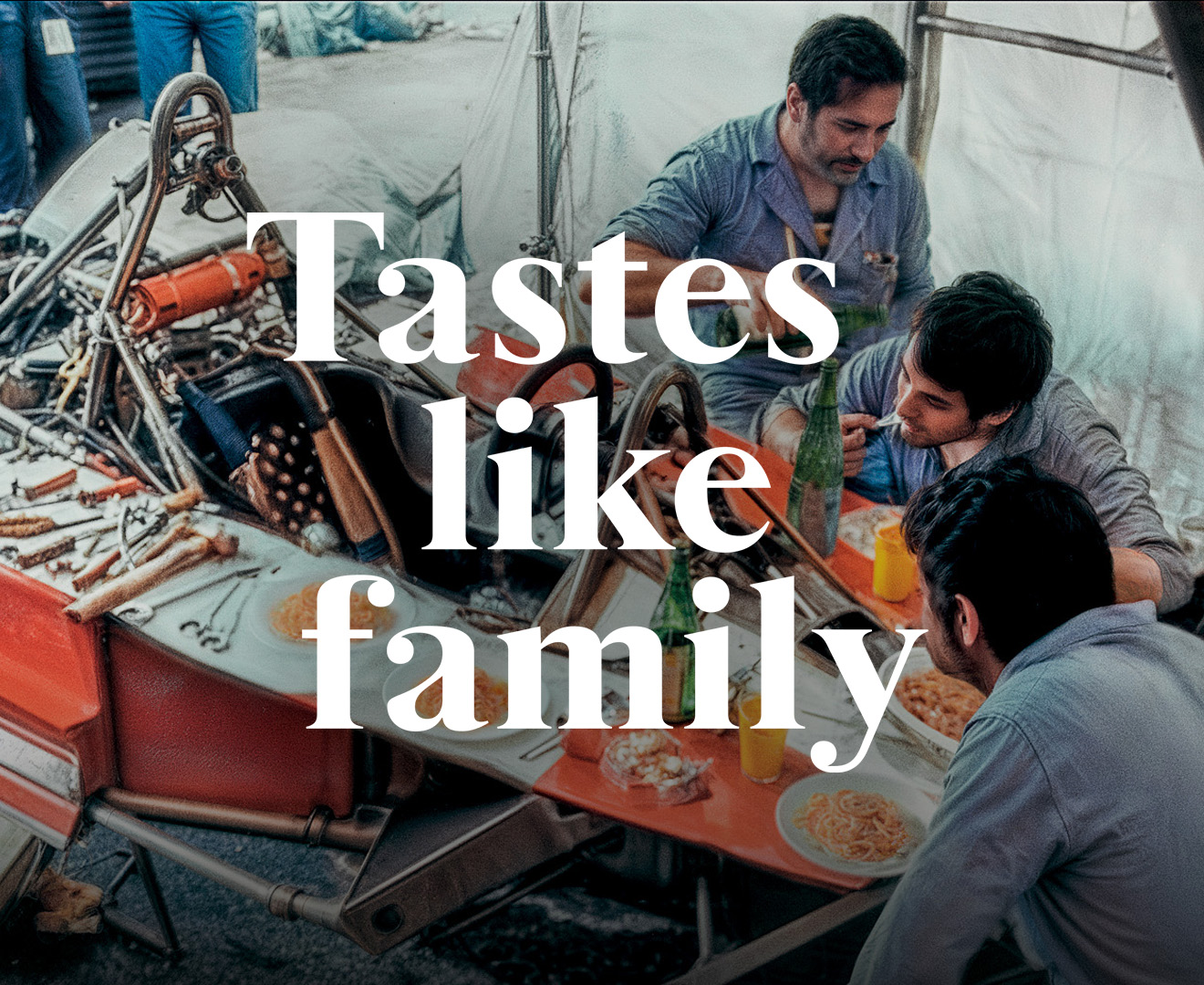
Tastes like Family
Tastes like family: our invitation to celebrate the ties that bind us, one meal at a time.
 Find out more
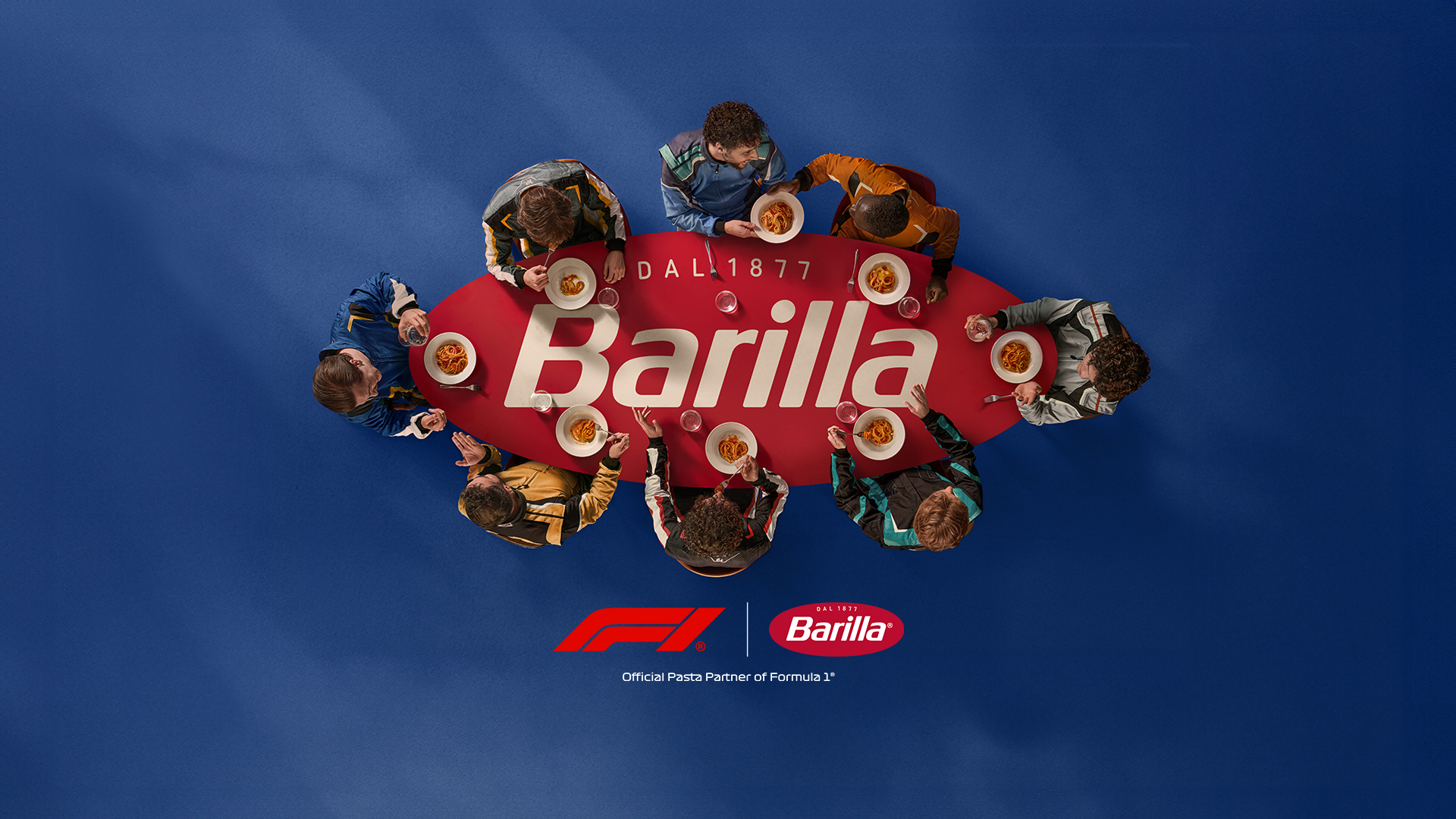
Official Pasta Partner of Formula 1®
We are the Official Pasta Partner of Formula 1®, celebrating the spirit of togetherness, both on and off the racetrack.
 Find out more
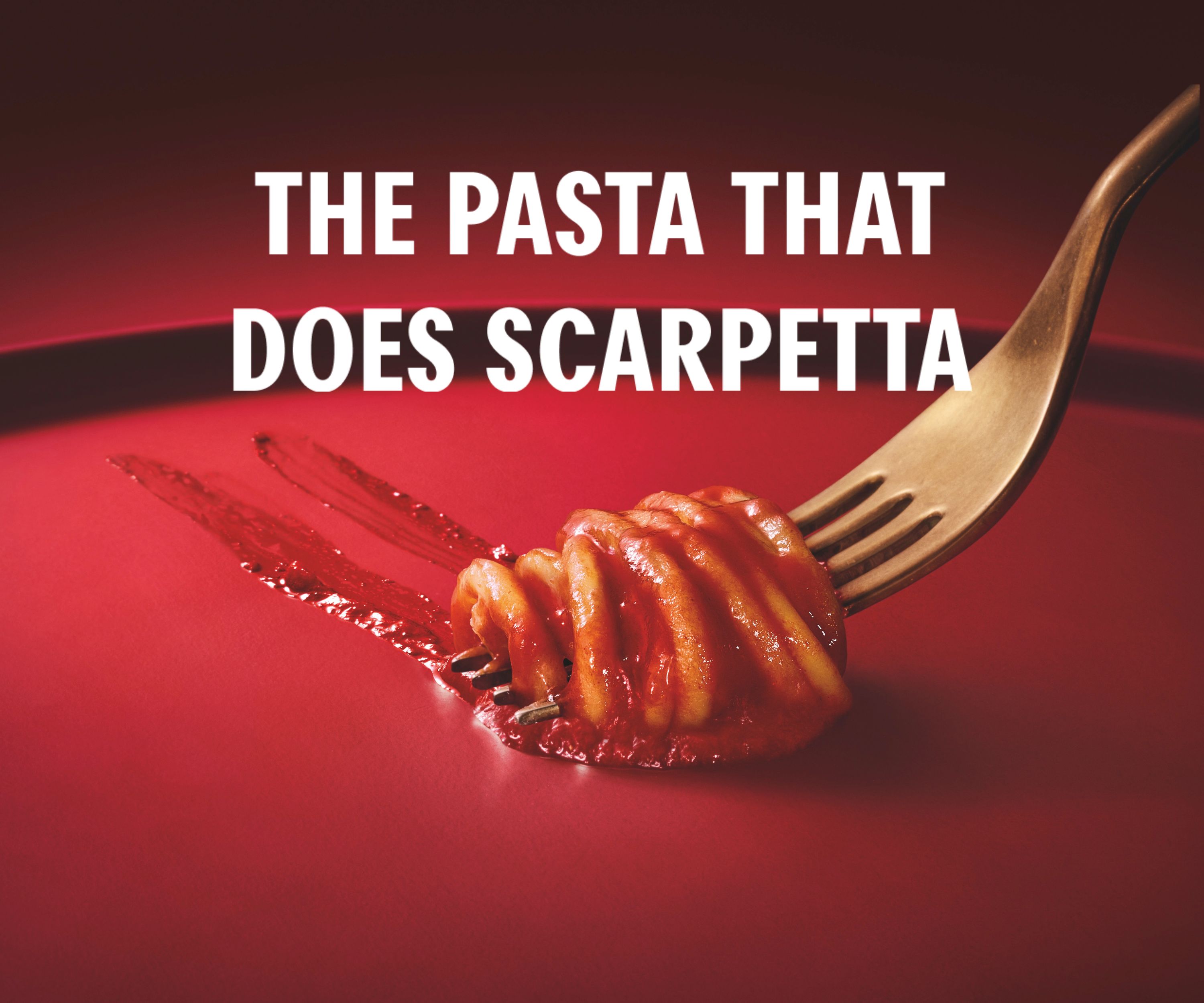
Al Bronzo
Our very own Lavorazione Grezza bronze-cut method of forming the dough gives Al Bronzo a rough & textured surface, so it can perfectly hold any sauce. The result? Supreme deliciousness in every bite.
 Find out more
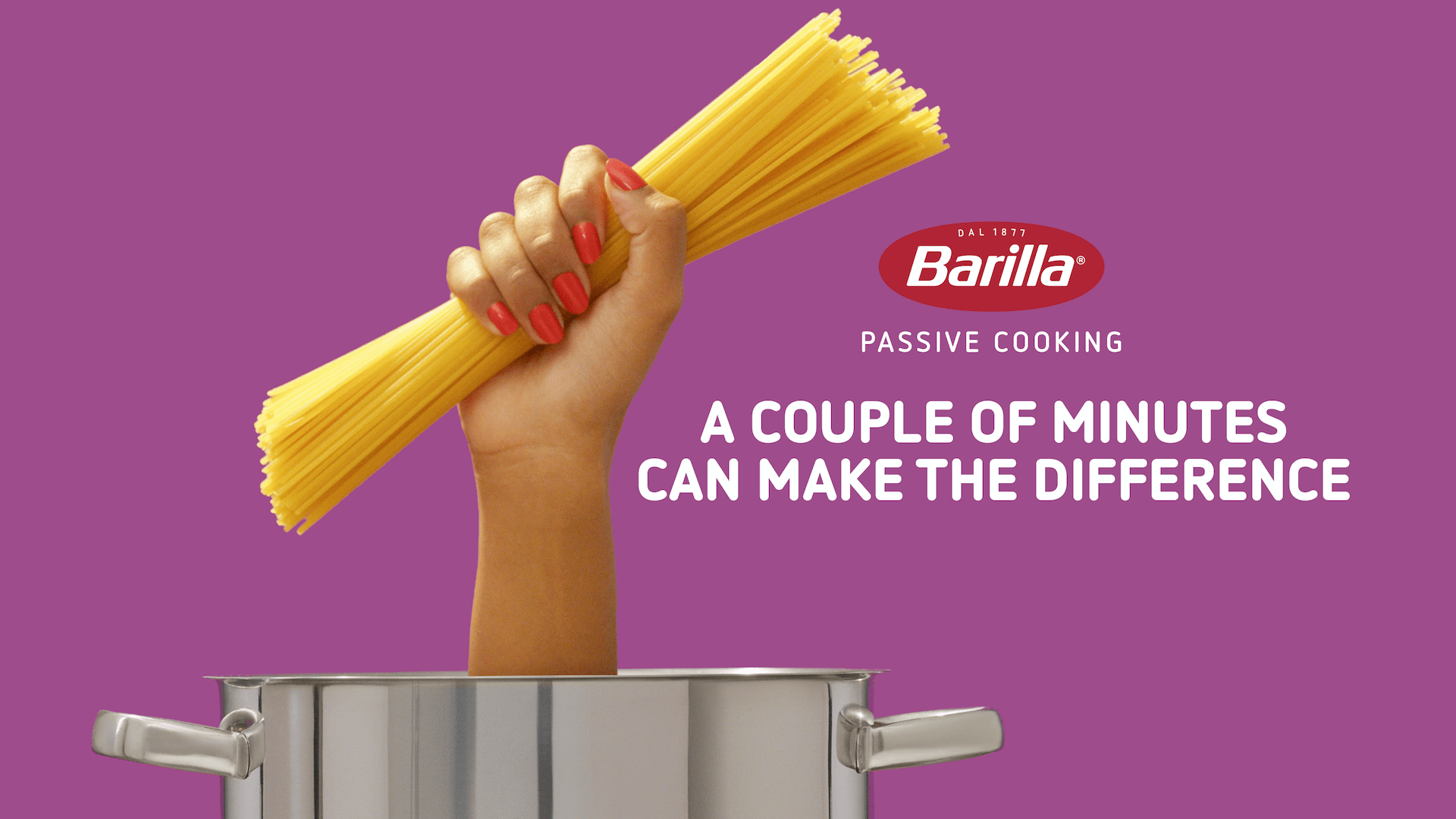
Passive cooking
Passive Cooking is an alternative way of cooking pasta that reduces CO₂e emissions by up to 80%* in comparison with the traditional method.
 Find out more
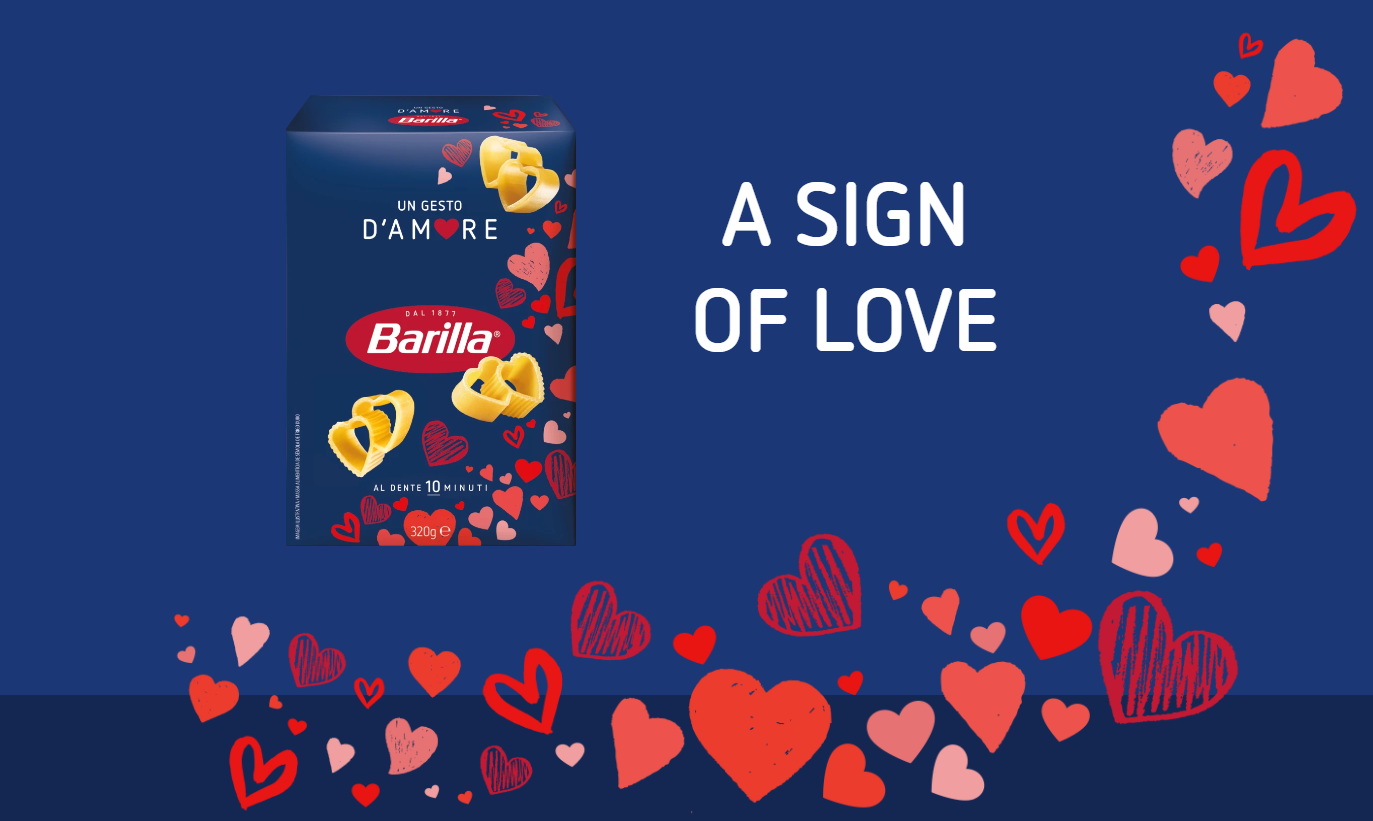
Pasta love
Love is about sharing moments, no matter how big or small they may seem. Barilla created a special pasta cut dedicated to love in all its purest forms.
 Find out more
HELPING YOU DO WHAT YOU DO BEST
Barilla for Professionals is proud to connect food industry professionals with the highest quality Barilla products and know-how to assist them in doing what they do best. We’re proud to be trusted partners who aid in responding to the challenges and changes of working in the food service field.
Meet Barilla for Professionals